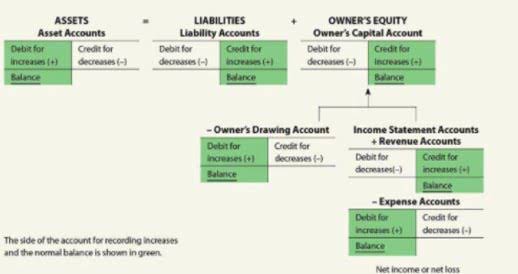
In manual accounting, posting is done by hand using a pen or pencil to enter journal entries into the general ledger. An accountant or bookkeeper will record each transaction in the general journal, then manually transfer the entries to the appropriate accounts in the general ledger. This process can be time-consuming and prone to human error, which is why many companies now use computerized accounting systems. In simple terms, posting refers to the process of recording and updating the financial details of a transaction in the accounting books, specifically in the general ledger (GL). This process involves entering the transaction into the journal, or ledger, and adjusting the accounts to reflect the new financial position of the business.
- As businesses grow more complex, the importance of meticulous posting cannot be overstated.
- Mentioning the date of transaction is the second step of posting a journal entry.
- Suppose SRS Automotives, a manufacturer of automobile parts, agrees with CBZ Solutions, a maintenance contractor.
- As business transactions occur during the year, they are recorded by the bookkeeper with journal entries.
- It is the date when the transaction occurred, and it provides an accurate record of the business’s financial activities.
Carbon Accounting: Definition, Importance, and Whether It’s Mandatory
These problems can lead to delays in reporting, misstatements, and ultimately, a loss of trust in the company’s financial data. Also, Ledger posting segregates the nature of accounts and their balances which helps in making the financial statements i.e trial balance, profit and loss account and balance sheet. Noting the monetary transactions and passing journal entries are the first two steps of accountancy. Ledger (or posting accounting definition) generally means posting into a separate account that form the next step of the cycle. A general ledger explains the further step posting meaning in accounting of accounting commonly called posting accounting definition. It refers to keeping records or hold information of individual accounts operations separately that are mentioned in the journal.
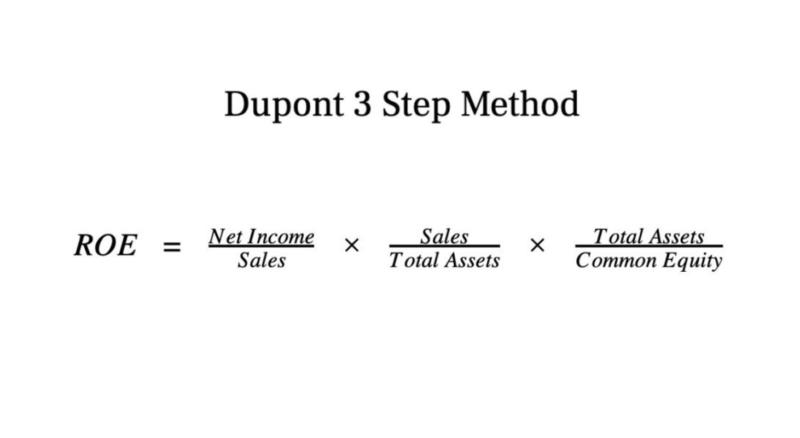
Business Insight
Therefore, it becomes necessary for the accountant to segregate the account Record Keeping for Small Business category. Postin accounting definition gives an updated status of all the ledger balances. Moreover, it aids in tracking the balances on the records of how it has changed over some time. Posting accounting definition involves manpower work, therefore, counted as a manual process. The individual items of the bank statement are entered as a journal entry in Financial Accounting. Using the invoice date as the posting date can be particularly helpful for businesses that rely heavily on invoicing, such as service-based companies.
Journal to Ledger: Recording Financial Transactions
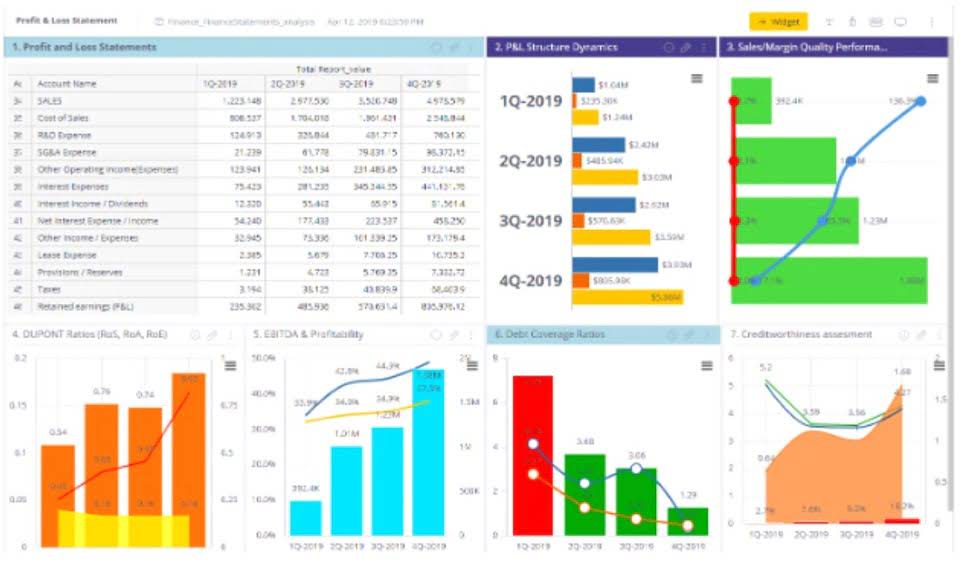
For example, a purchase at 9 PM might not be processed until the next day. Businesses managing accounts payable or receivable must account for these potential delays to ensure accurate cash flow forecasting. The general ledger should include accounts for both balance sheet and income statement items, such as assets, liabilities, revenues, and expenses. By consolidating all financial activities into one comprehensive ledger, businesses can better manage their financial records. As businesses grow and financial transactions become more complex, the need for accurate and timely accounting becomes increasingly important. Posting in accounting is often the process that determines the overall reliability of financial statements, so it’s essential for business success.
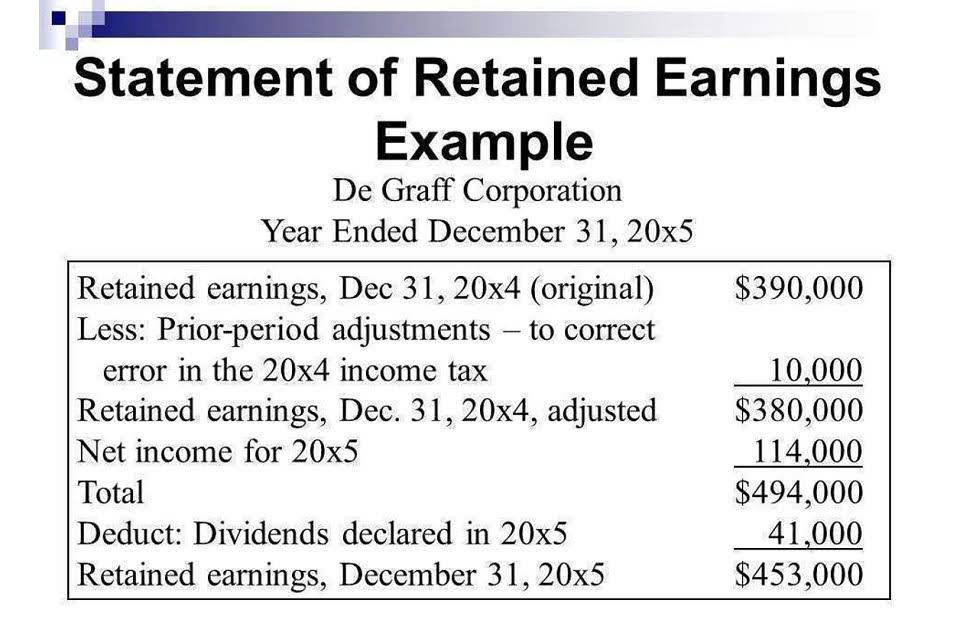
- This can disrupt cash flow, particularly for businesses reliant on timely payments to meet obligations like payroll.
- An accountant or bookkeeper will record each transaction in the general journal, then manually transfer the entries to the appropriate accounts in the general ledger.
- Therefore, to have this total and accurate information, all journal entries must be recorded in the ledger accounts of different accounts.
- If any products are shown on the invoice, that haven’t been ordered, you should contact the seller and clarify the matter of the badly issued invoice.
- These postings can be made directly in the general ledger and thus supply ACDOCA directly with data.
- This practice not only helps in identifying errors but also in maintaining the overall integrity of financial data.
Companies must follow GAAP and meet deadlines from the IRS, SEC, and FASB. It refers to the transfer unearned revenue of closing balance from various accounts to the general ledger. The posting varies as per the size of the organization and the volume of transactions. The balance is directly transferred to a general ledger for small organizations because of the low volume of accounting transactions.