
“It is simply the symptom of drinking too much alcohol and causing the mind and body to experience anxiety as a result of alcohol withdrawal,” says Hafeez. The more you drink, generally the more likely you are to experience the anxiety-like effect of alcohol. Hafeez adds that if you already deal with anxiety, you’ll likely feel the effects of hangover anxiety even more than people who do not have an anxiety disorder. Koob adds that whether or not you feel hangover anxiety may also depend on whether you have a family history of anxiety. Feeling guilty after drinking can occur for a variety of reasons, some of which can be the result of delaying responsibilities, anxiety of what happened the night before, and other deeper reasons.
Here are some options for catering at your wedding. We recommend late night snacks.
In many cases, drinker’s remorse extends beyond the individual and impacts social relationships. Actions or words spoken while intoxicated can result in damaged relationships, leading to further stress and emotional turmoil. This social dimension can amplify feelings of regret and, in some cases, lead to social withdrawal, isolation, or avoidance behavior, which are risk factors for developing depression. I have woken up not knowing how I have ended up naked with clothes everywhere ! I got the nhs appointment tonight 7pm to take swabs and urine test to see if drugged or been any sec involved. Feeling so guilty and anxious as this is not who I am and feel so ashamed.

Support organizations
Avoid using alcohol to quench your thirst (it won’t, alcohol dehydrates the body further). And drink plenty of water or mineral water in between alcoholic drinks. You could, for example, aim for one water for each alcoholic beverage. Discovering your child is drinking can generate fear, confusion, and anger in parents. It’s important to remain calm when confronting your teen, and only do so when everyone is sober. Explain your concerns and make it clear that your concern comes from a place of love.
Recent scientific studies suggest they play pivotal roles in shaping our decision-making processes and future actions. Instead of shying away from them, what if we could understand them, accept them, and even use them to fuel positive change? Let’s decipher these twin emotional states and explore the transformative power they can hold by exploring the difference between regret, guilt, and shame and looking at what shame and regret can teach us. There’s no inherent harm, however, in wanting to have a drink or two, or to occasionally enjoy a night out where you might drink. In these cases, one of the best ways to help prevent hangxiety is to be open and honest with those around you. When alcohol is involved, people are more likely to act on their impulses and do things they wouldn’t normally do.
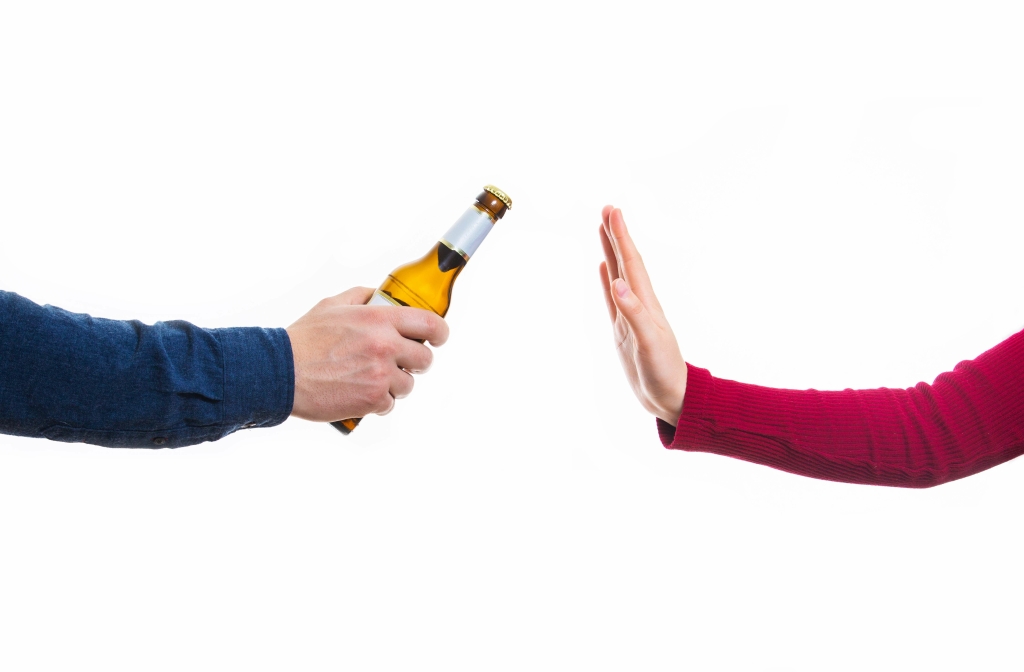
Helping a loved one
This ‘advice’ (?!?) is dangerous rubbish, especially for the children of the relationship. Very disappointed to see such stuff and gather that you’re making money out of it, Laura. It’s to the point that I think he won’t stop unless he ends up accidentally killing someone because of his drinking. I’m hoping it’s not me and I thank God I don’t have any kids. I remember being at a loss at how to change my husband’s behavior. As the wife, you have enormous power to inspire him to be his best self, in my experience.
Make a Plan for Next Time
- While small amounts of alcohol can act as a stimulant, higher quantities begin to act as a depressant.
- Telling people not only informs them of your intentions, but affirms to yourself that you are serious about making a change.
- It’s available everywhere, socially accepted (and sometimes encouraged), and it offers quick stress and pain relief.
- Many individuals feel pressured to drink alcohol in social situations in order to fit in or be accepted by their peers.
- You’ve apologized for your actions and respected the other person’s space to process everything.
According to the DSM-5, AUD can be classified as mild, moderate, or severe depending on how many symptoms you’ve checked off. Allow family and friends to support you as you cut down or give up drinking. Telling people not only informs them of your intentions, but affirms to yourself that you are serious about making a change. In general, regularly drinking alone is not good, particularly if it is a way to avoid family members or friends who have expressed concern about your intake of alcohol or your behaviour when drinking.
While you may go to bed with a smile on your face, the next day your smile is replaced with anxiety, uncertainty, fear, and worry. “Why do I feel guilty after I drink” might be a question you ask often and is one that keeps you from going out. If you feel guilty after drinking, it’s not a personal failing. It’s your brain and body responding to a complex mixture of chemistry, psychology, and lived experience.
- Without prioritizing self-care and healthy habits, it’s no wonder why we’re all looking to something external to feel better fast.
- Not all alcohol abusers become full-blown alcoholics, but it is a big risk factor.
- Some people will be able to limit their alcohol intake, but others will need to turn to sobriety to control their drinking behaviors and habits.
- If we don’t have other coping methods in place, stress seems to naturally make us turn to something for comfort.
- Set a drink limit and a money limit for yourself before you go out.
Has drinking alcohol become a problem for me?
- If they were emotionally unavailable, such as being overly strict, dismissive, highly reactive, or emotional, it’s unlikely we had the opportunity to develop healthy coping skills.
- Using a dedicated notebook or the Reframe app can track alcohol consumption and emotional states, which can be highly beneficial.
- Feelings of guilt can be felt throughout this whole time or not at all, as every person is different.
- Ive been in this dark downward spiral with my husband.
When a wife tells her husband not to drink, or asks if he thinks he should be drinking so much, or complains about his drinking, I have never seen that result in him drinking less. It’s scary to think about, because we’ve all heard about the financial, emotional, and health problems drunks cause themselves and their families. Maybe he drinks every night, or drinks to oblivion on a regular basis, or gets mean when he drinks. He says it’s important to challenge the negative self-talk with positive affirmations if you can, such as, “It probably wasn’t as bad as I think” and “I can always make amends by apologising”. I do want to integrate myself in social setting without a mask, but I’m just not there yet. I feel like I need the control and the security, why can’t i control my drinking but I fantasize about being the most authentic version of myself.
As I type, husband is helping our 10 year old with homework. Rather I have been applying the principles you promote. I’m not sure why on Earth I have to bend to his will and nurse his ego. If he is choosing the bar stool with his best bud instead of the dinner table, then he can go right to hell. I wish I could leave my husband right now, but I have little income and nowhere to go. Without forcing him into rehab or secretly dosing him with that medication that makes you sick if you ingest any alcohol.